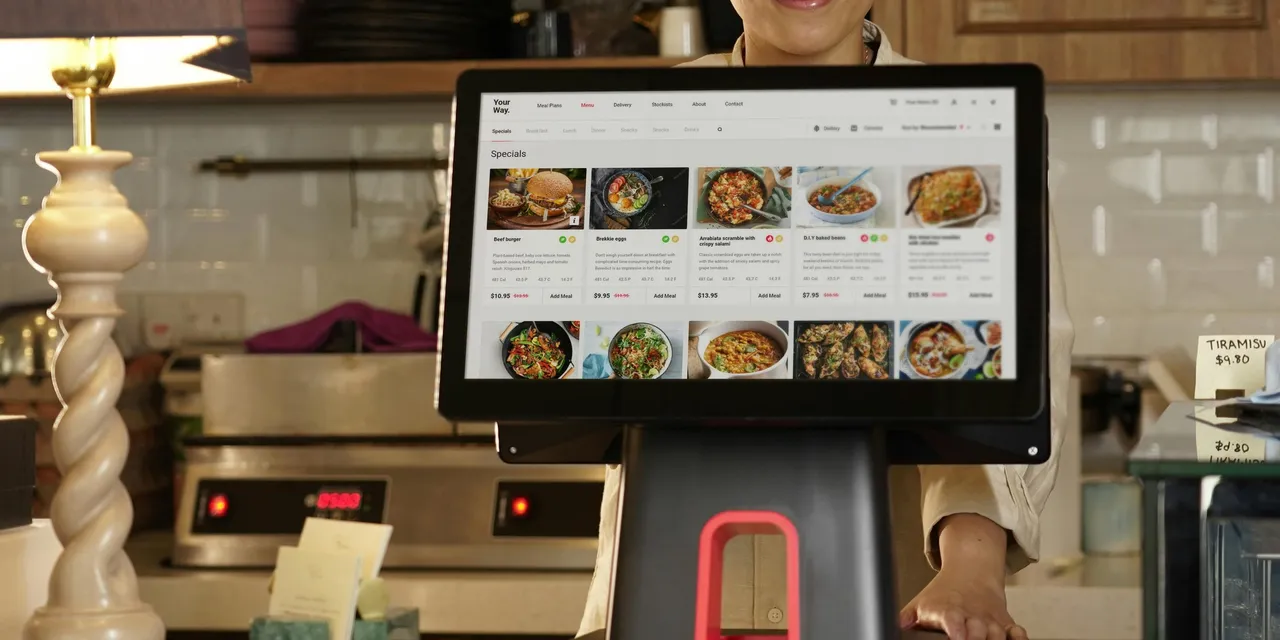
Restaurants today operate in a far more complex environment than they did a decade ago. Customers can place orders in multiple ways: dine-in at the restaurant, through QR menus, through the restaurant’s website, or through delivery platforms such as Uber Eats or Deliveroo.
While these channels create more revenue opportunities, they also introduce operational challenges. Restaurant staff often struggle to manage multiple tablets, disconnected software systems, and overlapping orders.
This is where restaurant order management systems become essential.
A modern order management system centralizes all incoming orders into one interface, allowing restaurants to process orders efficiently, reduce errors, and maintain operational control.
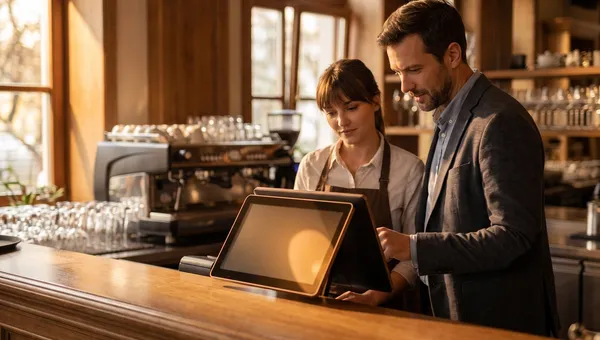
Platforms like Quickbuy are designed specifically to solve this problem by giving restaurants a single dashboard where every order channel is managed in one place.
What Is a Restaurant Order Management System?
A restaurant order management system is a software platform that allows restaurants to receive, organize, process, and track orders from multiple sources.
These sources may include:
- Dine-in orders
- QR code table orders
- Online website orders
- Takeaway orders
- Delivery platform orders
Instead of managing separate devices or systems, restaurant staff can see all orders in a centralized interface.
Modern order management systems also integrate with other operational tools such as inventory management, reporting dashboards, and staff management systems.
Quickbuy, for example, combines order management, QR menus, online ordering, analytics, and inventory tracking within a single platform designed specifically for restaurants.
Why Order Management Systems Are Critical for Restaurants
As restaurants expand their ordering channels, the complexity of managing orders increases significantly.
Without a proper system, restaurants often experience several operational problems.
Order Errors
When staff manually transfer orders between different systems, mistakes can easily occur. These errors lead to customer dissatisfaction and wasted food.
An order management system automatically records each order digitally, reducing the likelihood of mistakes.
Tablet Chaos
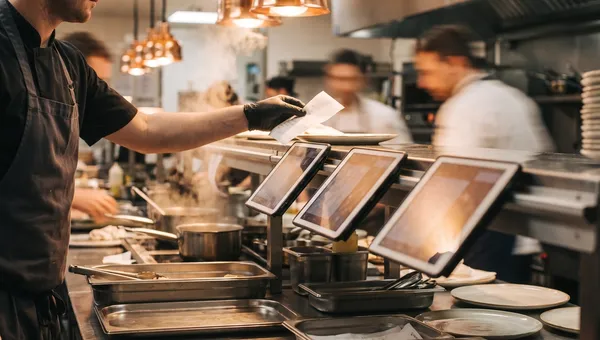
Many restaurants that rely on delivery platforms have several tablets placed at the counter. Each platform sends orders through its own device, forcing staff to constantly monitor multiple screens.
This environment creates confusion and slows down the kitchen workflow.
Solutions like Quickbuy integrate delivery platform orders directly into the main dashboard, eliminating the need for multiple tablets.
Slow Kitchen Workflow
When orders arrive from different channels without coordination, kitchens can become overwhelmed during busy periods.
Order management systems organize orders by priority and time, ensuring that the kitchen processes them efficiently.
Key Features of a Restaurant Order Management System
Not all order management systems are the same. The most effective platforms offer several essential capabilities.
Centralized Order Dashboard
A central dashboard allows staff to see all incoming orders in real time.
Orders are categorized by channel, such as dine-in, delivery, or pickup.
Quickbuy’s dashboard enables restaurants to monitor every order channel simultaneously without switching systems.
Order Status Tracking
Restaurants must track each order from creation to completion.
Typical statuses include:
- Received
- Preparing
- Ready
- Completed
Tracking order status improves kitchen coordination and customer communication.
Delivery Platform Integration
Restaurants often rely on delivery platforms for additional revenue. However, managing these platforms manually can be inefficient.
Modern systems integrate delivery orders directly into the main interface.
Quickbuy allows restaurants to receive delivery platform orders directly inside the same system used for dine-in and online orders.
Inventory Synchronization
When an item sells out, restaurants must update their menu immediately to prevent new orders for unavailable dishes.
Integrated inventory tracking ensures menu availability is updated automatically.
Quickbuy connects order management with inventory tracking so restaurants always have accurate stock information.
How Quickbuy Simplifies Order Management
Many restaurants operate using several disconnected systems.
For example:
- A POS system for dine-in orders
- Separate tablets for delivery platforms
- Another system for inventory
- Another system for analytics
This fragmented approach makes restaurant operations unnecessarily complicated.
Quickbuy was built as an all-in-one restaurant management platform that consolidates these systems into one interface.
With Quickbuy, restaurants can:
- Manage dine-in orders
- Accept QR menu orders
- Receive online website orders
- Integrate delivery platforms
- Monitor sales analytics
- Track inventory in real time
Because everything is centralized, restaurant staff spend less time managing technology and more time serving customers.
Benefits of Using a Centralized Order Management System
Restaurants that adopt modern order management software experience several advantages.
Faster Service
Orders are transmitted directly to the kitchen without delays.
Fewer Mistakes
Digital order entry eliminates many manual errors.
Higher Efficiency
Staff no longer need to manage multiple devices.
Better Data Insights
Restaurant owners can analyze order patterns, peak hours, and popular menu items.
Quickbuy’s analytics tools allow restaurant owners to make smarter business decisions based on real data.
The Future of Restaurant Order Management
Restaurant technology continues to evolve rapidly.
Over the next few years, order management systems will likely integrate additional innovations such as:
- AI-powered demand forecasting
- Automated kitchen workflows
- Smart menu recommendations
- Real-time delivery logistics tracking
Restaurants that adopt modern management platforms early will have a competitive advantage.
Quickbuy is designed to support this future by providing restaurants with scalable tools that grow alongside their business.
Conclusion
Restaurant operations are becoming increasingly complex as customers order through multiple channels.
Without an efficient system to manage these orders, restaurants risk operational chaos, slow service, and costly mistakes.
A modern restaurant order management system centralizes every order channel into one streamlined interface.
Platforms like Quickbuy make it possible for restaurants to manage dine-in orders, online ordering, QR menus, and delivery integrations from a single dashboard.
For restaurants looking to scale efficiently in 2026 and beyond, adopting a unified order management platform is no longer optional - it is essential.