The restaurant industry is evolving faster than ever. Customers expect faster service, seamless online ordering, and personalized experiences. At the same time, restaurant owners must manage rising operational costs, staffing challenges, and increasing competition.
Digital transformation has become the key to solving these challenges.
By adopting modern restaurant technology platforms like Quickbuy, restaurants can automate operations, improve efficiency, and deliver better customer experiences.
This guide explains what digital transformation means for restaurants and how owners can implement it successfully.
What Is Digital Transformation in Restaurants?
Digital transformation means integrating technology into every aspect of restaurant operations.
Instead of managing processes manually, restaurants use digital systems to automate tasks, collect data, and optimize decision-making.
Digital transformation typically includes:
- Online ordering systems
- Delivery platform integration
- Inventory automation
- staff scheduling tools
- analytics dashboards
- customer engagement platforms
Modern restaurant platforms like Quickbuy combine all these tools into one centralized system, helping restaurant owners run their businesses more efficiently.
Why Restaurants Need Digital Transformation
Restaurants that rely only on traditional operations often struggle with inefficiencies.
Digital transformation provides several advantages:
1 Increased Operational Efficiency
Automation reduces manual work and errors.
For example, Quickbuy automatically updates inventory when orders are placed, eliminating the need for manual stock tracking.
2 Better Data and Insights
Restaurant owners need data to make smarter decisions.
With Quickbuy’s analytics dashboard, owners can monitor:
- sales trends
- popular menu items
- labor costs
- order performance
These insights help optimize operations and increase profitability.
3 Improved Customer Experience
Digital tools allow restaurants to provide a smoother customer journey.
Customers today expect:
- fast service
- online ordering
- delivery options
- digital payments
With Quickbuy’s unified order management system, restaurants can handle dine-in, takeaway, and delivery orders in one platform.
4 Multi-Channel Order Management
Modern restaurants receive orders from many sources:
- in-store POS
- website ordering
- mobile apps
- delivery platforms
Managing these channels manually is inefficient.
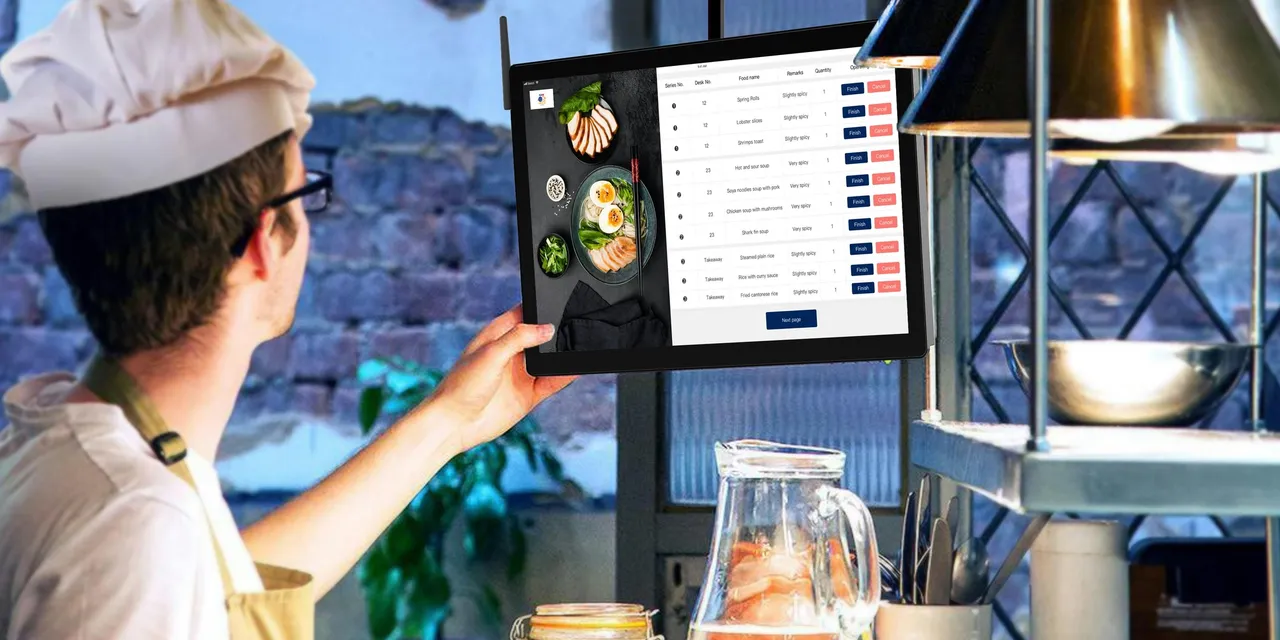
Quickbuy consolidates all orders into one intelligent dashboard, allowing staff to manage orders efficiently.
Key Areas of Restaurant Digital Transformation
1 Digital Order Management
Order management is the backbone of restaurant operations.
Digital systems reduce order errors and improve speed.
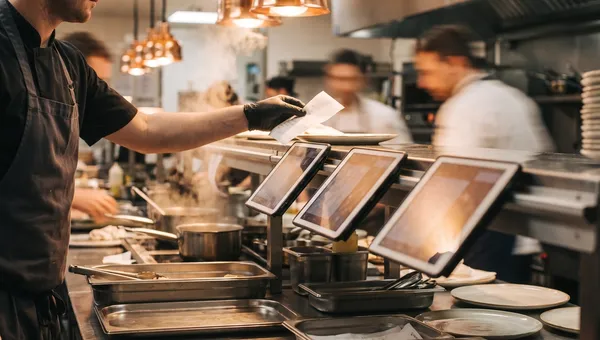
With Quickbuy, restaurants can manage all incoming orders from a single interface.
This simplifies operations and ensures faster service.
2 Inventory Automation
Inventory is one of the most complex aspects of restaurant management.
Manual tracking leads to:
- food waste
- stock shortages
- inaccurate reporting
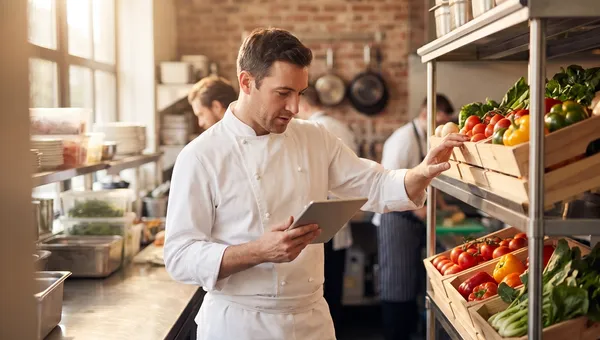
Quickbuy’s inventory management system automatically tracks ingredient usage, ensuring restaurants always know their stock levels.
3 Staff Management and Scheduling
Labor costs are a major expense for restaurants.
Digital scheduling tools help optimize staffing.
Quickbuy includes built-in shift scheduling and attendance tracking, allowing managers to align staffing levels with predicted demand.
4 Data-Driven Decision Making
Restaurants generate massive amounts of operational data.
Without analytics, this data is difficult to use.
Quickbuy provides real-time business analytics, helping restaurant owners make smarter decisions about menu design, pricing, and operations.
5 Delivery Platform Integration
Delivery has become a critical revenue stream for restaurants.
However, managing multiple delivery platforms can be complicated.
Quickbuy allows restaurants to manage all delivery orders from platforms like Deliveroo or Uber Eats in one dashboard, simplifying operations and reducing mistakes.
6 Automation of Daily Operations
Digital transformation automates repetitive tasks like:
- order processing
- sales reporting
- inventory updates
- staff scheduling
By centralizing these processes, Quickbuy helps restaurant owners save time and focus on growing their business.
Steps to Start Digital Transformation
Restaurant owners can begin their digital transformation with these steps:
Step 1 Audit Your Current Operations
Identify inefficiencies and manual processes.
Step 2 Choose the Right Technology Platform
A unified system like Quickbuy is ideal because it combines multiple restaurant tools into one platform.
Step 3 Train Staff
Technology adoption requires staff training to ensure smooth operations.
Step 4 Use Data to Improve Operations
Monitor analytics and adjust operations based on performance insights from Quickbuy.
The Future of Digital Restaurants
Restaurants will continue adopting technologies such as:
- AI analytics
- automated kitchens
- smart inventory systems
- advanced customer personalization
Restaurants that embrace digital transformation today will be better positioned to scale and compete.
Platforms like Quickbuy are designed to power the next generation of digital restaurants.
Final Thoughts
Digital transformation is no longer optional for restaurants. It is essential for staying competitive in today’s fast-changing food industry.
By adopting modern restaurant management platforms like Quickbuy, restaurant owners can streamline operations, reduce costs, and deliver exceptional customer experiences.