On this page
- What is a Cloud Kitchen?
- Why Cloud Kitchens Are Growing in 2026
- Cloud Kitchen vs Traditional Restaurant
- How to Start a Cloud Kitchen (Step-by-Step)
- Key Costs of a Cloud Kitchen
- Biggest Challenges
- Technology Stack for Cloud Kitchens
- How Quickbuy Powers Cloud Kitchens
- Scaling a Cloud Kitchen
- Real Example
- Conclusion
The restaurant industry is evolving rapidly, and one of the biggest shifts in recent years is the rise of the cloud kitchen business model.
Also known as ghost kitchens or virtual kitchens, cloud kitchens operate without a traditional dine-in space. Instead, they focus entirely on delivery and online orders.
This model has exploded in popularity due to:
- Lower startup costs
- Faster scalability
- Increased demand for food delivery
However, while cloud kitchens offer massive opportunities, they also come with unique operational challenges.
In 2026, success in this space is not just about food - it’s about systems, efficiency, and data.
And this is where platforms like Quickbuy become essential.
What is a Cloud Kitchen?
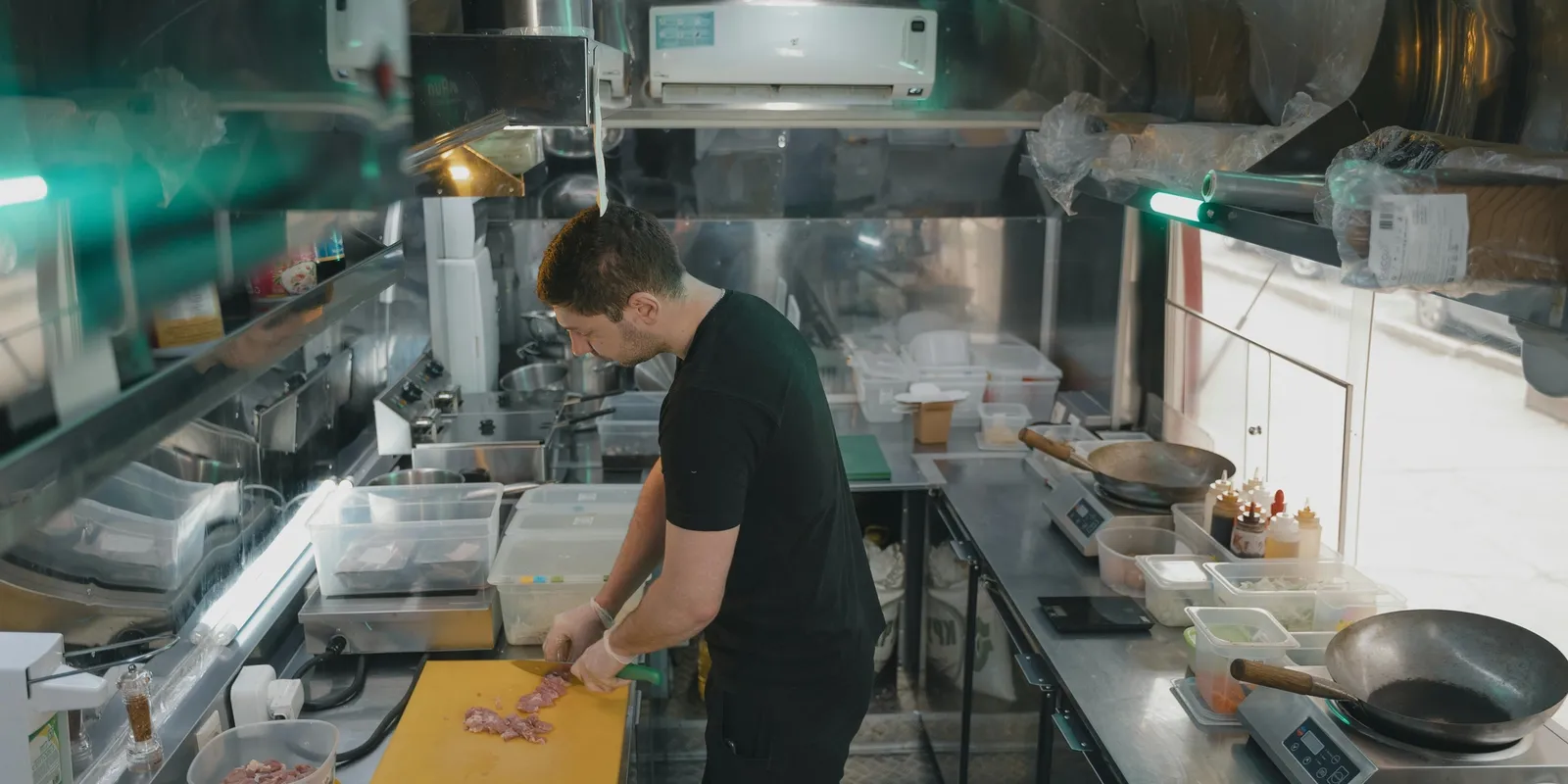
A cloud kitchen is a delivery-only restaurant that operates without a physical dining area.
Orders are received through:
- Delivery platforms
- Online ordering systems
- Direct digital channels
There are several types of cloud kitchens:
- Single-brand kitchens
- Multi-brand kitchens
- Shared kitchen spaces
- Franchise cloud kitchens
The key idea is simple:
👉 Focus entirely on fulfilling orders efficiently
Why Cloud Kitchens Are Growing in 2026
Cloud kitchens are not just a trend - they are becoming a dominant model.
Lower Costs
No need for expensive locations or front-of-house staff.
Faster Expansion
You can launch new brands quickly without opening new locations.
Delivery Boom
Consumer behavior has shifted heavily toward online ordering.
Data-Driven Operations
Cloud kitchens rely heavily on analytics to optimize performance.
Cloud Kitchen vs Traditional Restaurant
Traditional restaurants focus on:
- Dine-in experience
- Ambience
- Location
Cloud kitchens focus on:
- Efficiency
- Speed
- Delivery optimization
This means your success depends heavily on:
👉 Your operational system
How to Start a Cloud Kitchen (Step-by-Step)
Step 1: Choose a Niche
Focus on a cuisine or concept with strong demand.
Step 2: Design a Delivery-Optimized Menu
Not all food travels well - optimize for delivery.
Step 3: Set Up Kitchen Operations
Efficiency is critical. Layout matters.
Step 4: Partner with Delivery Platforms
List your brand on major platforms.
Step 5: Implement a Unified System
This is the most critical step.
Without a system like Quickbuy, managing orders becomes chaotic.
Key Costs of a Cloud Kitchen
- Kitchen setup
- Equipment
- Staff
- Software systems
- Marketing
Cloud kitchens reduce costs, but technology becomes your biggest investment.
Biggest Challenges
Order Management Chaos
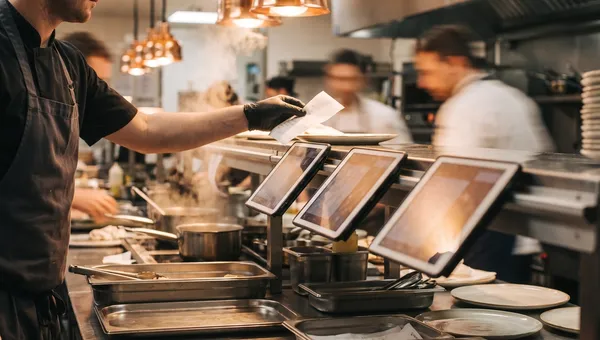
Multiple platforms = multiple tablets = confusion.
Inventory Mismanagement
No real-time tracking leads to waste.
Brand Visibility
Standing out online is harder than physical locations.
Operational Complexity
Running multiple brands increases complexity.
Technology Stack for Cloud Kitchens
To succeed, you need:
- Order management system
- Inventory system
- Analytics tools
- Online ordering system
Most restaurants use multiple tools - which creates problems.
How Quickbuy Powers Cloud Kitchens
Quickbuy replaces multiple tools with one unified system.
It allows you to:
- Manage all orders in one dashboard
- Track inventory in real-time
- Handle multiple brands
- Analyze performance
This is critical for cloud kitchens where everything depends on efficiency.
Scaling a Cloud Kitchen
Once your first concept works, scaling becomes the goal.
With Quickbuy, you can:
- Launch new brands easily
- Manage multiple locations
- Standardize operations
- Maintain consistency
Real Example
Without a system:
- Orders are missed
- Staff gets overwhelmed
- Data is fragmented
With Quickbuy:
- Orders are centralized
- Operations are smooth
- Data drives decisions
Conclusion
Cloud kitchens represent the future of the restaurant industry.
But success depends on one thing:
👉 Your system
Without the right infrastructure, scaling becomes impossible.
Quickbuy provides everything you need to run and scale a cloud kitchen in one platform.
If you want to build a modern, efficient, and scalable food business, the cloud kitchen model - powered by the right technology - is your best opportunity.