On this page
The restaurant industry is evolving at an unprecedented pace. With online ordering, third-party delivery platforms, inventory complexities, and rising operational costs, modern restaurants require advanced software to stay competitive. In 2026, restaurant management software is no longer optional - it is essential.
This guide provides a comprehensive overview of the best restaurant management software in 2026. We cover features, benefits, trends, and expert advice to help restaurant owners streamline operations, increase efficiency, and boost profits.
What Is Restaurant Management Software?
Restaurant management software (RMS) is a digital platform designed to centralize and automate restaurant operations. Instead of juggling multiple tools for orders, inventory, staff management, and analytics, RMS brings everything into a single system.
Core Functions of RMS
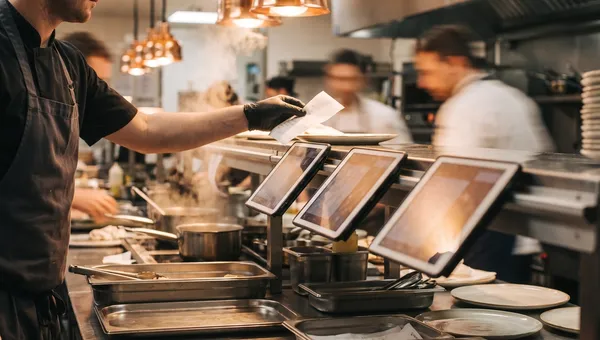
- Order Management - Consolidate orders from in-store POS, website, mobile app, and third-party delivery services.
- Inventory Tracking - Monitor ingredient usage, prevent shortages, and minimize food waste.
- Menu Management - Manage pricing, variants, and add-ons in real-time.
- Staff Scheduling - Assign shifts, track hours, and optimize labor costs.
- Analytics & Reporting - Gain actionable insights on revenue, sales trends, and customer behavior.
By centralizing these functions, RMS helps restaurant teams focus on delivering quality food and experiencesrather than administrative tasks.
Why Restaurants Need Management Software in 2026
Customer expectations have shifted dramatically. Speed, accuracy, and convenience are critical, and restaurants without integrated software face several challenges:
- Missed or delayed orders from delivery platforms
- Inventory shortages or overstock
- Labor inefficiencies and scheduling conflicts
- Limited insights into sales, profitability, and customer behavior
Modern RMS solutions address these challenges by automating processesand providing real-time insights. Restaurants using such platforms often report:
- 20-30% reduction in operational errors
- 15-25% improvement in staff productivity
- Significant reduction in food waste
- Better understanding of customer preferences
Without RMS, restaurants struggle to compete with tech-enabled peers.
Key Features to Look For
Choosing the right RMS is critical. Not all platforms are created equal. Here are the essential features for 2026:
1. Multi-Channel Order Management
Restaurants now operate across multiple platforms: in-house POS, websites, apps, and delivery services like Uber Eats or Deliveroo. A strong RMS consolidates all orders into one dashboard, reducing mistakes and speeding up fulfillment.
2. Inventory and Ingredient Tracking
Food costs are the largest expense in most restaurants. Advanced RMS solutions automatically deduct ingredientswhen orders are placed, track stock levels, and alert managers before shortages occur. Predictive analytics can even forecast ingredient demandbased on sales trends.
3. Menu & Variant Management
Dynamic menus are essential. Modern RMS allows owners to:
- Update menu items instantly
- Control availability across locations
- Manage variants, add-ons, and pricing changes
This ensures consistency across multiple channels and locations.
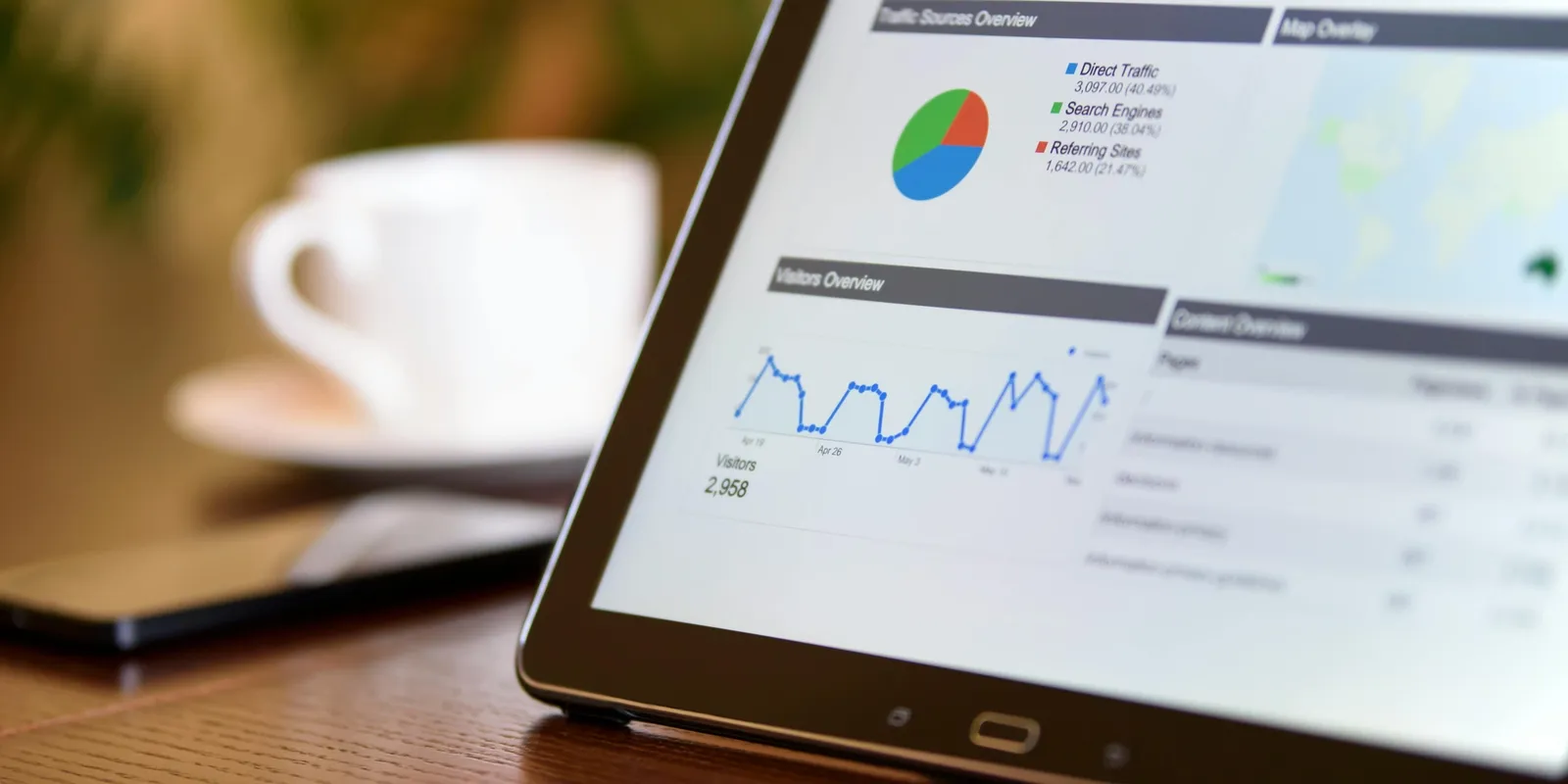
4. Analytics and Reporting
Data drives better decisions. RMS platforms provide:
- Sales trends by day, week, or month
- Top-selling dishes and profit margins
- Customer preferences and feedback
- Labor cost analysis
These insights enable managers to optimize operations, reduce costs, and improve profitability.
5. Multi-Location Support
For chains and franchises, centralized control is vital. The best software lets owners monitor and manage multiple locationsfrom one platform, standardizing menus, inventory, and reporting.
6. Cloud-Based Access
Cloud RMS solutions enable managers to access data anytime, anywhere, on desktop or mobile. This flexibility is essential for modern, fast-moving restaurant operations.
Benefits of Using Restaurant Management Software
Implementing RMS provides tangible advantages:
Improved Operational Efficiency
Automation reduces manual tasks like order entry, inventory checks, and reporting. Staff can focus on service quality rather than paperwork.
Better Cost Control
By tracking ingredients, labor, and waste, restaurants can optimize spendingand maximize profits.
Enhanced Customer Experience
Faster, more accurate service and seamless order management result in higher customer satisfaction.
Data-Driven Decisions
Real-time analytics empower owners to make informed decisions about menu optimization, pricing, staffing, and promotions.
Emerging Trends in Restaurant Technology
AI-Powered Insights
Artificial intelligence predicts demand, recommends inventory purchases, and optimizes staffing schedules, reducing waste and increasing efficiency.
Integrated Delivery Management
Direct integration with third-party delivery apps centralizes orders, ensuring accuracy and timely fulfillment.
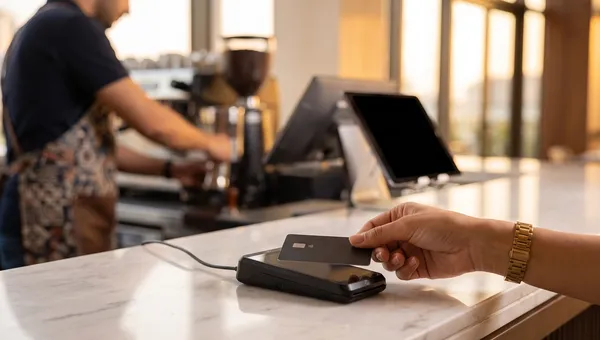
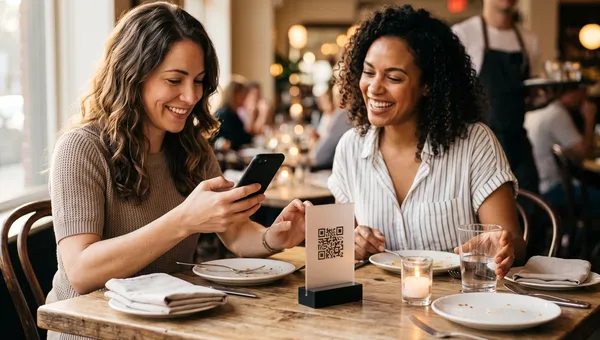
Contactless and Mobile Payments
Modern RMS supports digital wallets and mobile payments, enhancing speed and convenience for customers.
Sustainability & Waste Reduction
Some platforms now provide analytics to track waste, monitor ingredient usage, and adopt sustainable practices.
How to Choose the Right Restaurant Software
When evaluating RMS solutions, consider:
- Ease of use - Staff adoption is critical
- Integration - Works with POS, delivery apps, and accounting systems
- Scalability - Supports future growth and multi-location operations
- Support & Security - Cloud backups, data privacy, and 24/7 support
- Customization - Flexible menu, inventory, and reporting options
The goal is to simplify operations, not complicate them.
Final Thoughts
The restaurant industry is more competitive than ever. Great food alone is not enough; operational excellence, efficiency, and technology adoption are now critical for success. In 2026, restaurants that leverage modern restaurant management softwaregain a competitive edge by reducing costs, improving customer experiences, and increasing profits.
Investing in the right RMS is one of the smartest decisions a restaurant owner can make.